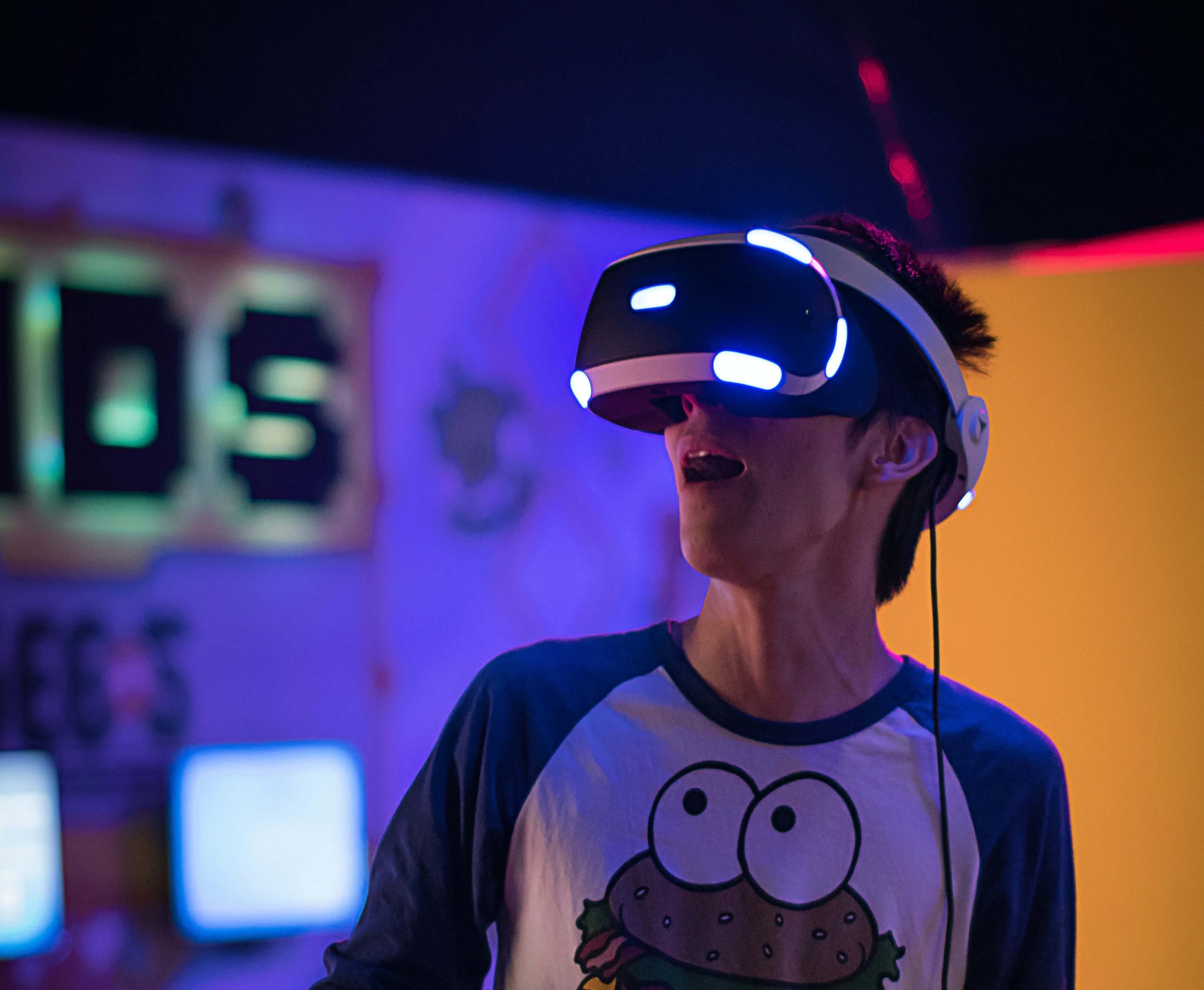
Virtual Reality (VR) has rapidly moved from being a futuristic fantasy to a transformative technology that is reshaping industries. What was once associated only with gaming headsets and sci-fi movies is now a serious tool for entertainment, education, business, and beyond. The real power of VR lies in its ability to deliver next-level immersion—a sense of presence so strong that users feel transported into entirely new worlds.
Gaming: The Gateway to VR
The gaming industry remains the most visible playground for VR innovation. Immersive titles now allow players not just to control characters, but to become them. Instead of watching battles unfold on a flat screen, players step into the action, swinging virtual swords, solving puzzles with their own hands, or exploring richly detailed environments. This interactive layer is what makes VR gaming addictive—it’s no longer about pixels; it’s about experiences.
Beyond Gaming: Real-World Applications
VR’s impact goes far beyond fun and entertainment:
- Education & Training: Medical students can perform simulated surgeries, engineers can practice with complex machinery, and soldiers can train for high-stakes missions—all in safe, controlled environments.
- Healthcare: VR is being used for pain management, exposure therapy, and even helping stroke patients recover mobility through guided exercises.
- Business & Collaboration: Companies are adopting VR for remote collaboration. Instead of flat video calls, teams can meet inside a 3D workspace, share designs, and interact with products as if they were physically present.
- Tourism & Real Estate: Imagine walking through your dream home before it’s built, or exploring Paris from your living room. VR makes it possible.
Why VR Feels So Real
The magic of VR lies in its ability to engage multiple senses at once. Headsets provide high-resolution visuals, while spatial audio ensures you hear sounds as if they’re coming from specific directions. Paired with motion tracking, haptic feedback, and even smell simulation (still experimental), VR tricks the brain into believing the virtual is real.
Challenges Ahead
Despite the hype, VR still faces hurdles:
- High hardware costs limit accessibility.
- Motion sickness remains an issue for some users.
- Developers are still experimenting with best practices for VR storytelling and interaction.
Yet, as technology advances and headsets become lighter, cheaper, and more powerful, these barriers are slowly being broken.
The Future of Immersion
From the metaverse to mixed reality headsets, the future of VR promises even deeper connections between the physical and digital worlds. Soon, VR won’t just be a niche—it will be a standard tool for work, play, and creativity.
👉 Bottom Line: Virtual Reality is no longer just a novelty—it’s changing the way we learn, work, play, and connect. For anyone watching the evolution of tech, VR isn’t just the next step—it’s the leap into the future of immersion.
About the Author